Plasmid purification is often assessed using simple spectrophotometric metrics such as the A260/280 ratio, which primarily reflects protein contamination. However, this measurement provides only a narrow view of purity. High-quality plasmid DNA must also be free of endotoxins, genomic DNA, RNA and residual salts. These impurities can remain undetected during basic quality checks while still influencing downstream applications.
Clean plasmid DNA therefore means more than an acceptable ratio or sufficient yield. It requires the removal of components capable of altering enzymatic reactions, affecting cell health or introducing variability into experimental workflows.
How impurities influence qPCR, NGS and transfection workflows
Downstream applications can be sensitive to contaminants that are not apparent during routine quantification. In mammalian cell transfection, endotoxins are a particularly important consideration. Even at low levels, they can reduce cell viability and interfere with the uptake of genetic material, leading to inconsistent expression outcomes despite an apparently adequate plasmid yield.
For quantitative polymerase chain reaction (qPCR) and next-generation sequencing (NGS), contaminants such as salts, chaotropic agents, RNA and genomic DNA can alter reaction efficiency or contribute to biased library preparation. These effects may appear as reduced amplification performance, increased variability across replicates or diminished sequencing quality.
When plasmid DNA does not meet the required purity standards, the resulting downstream variability can obscure the true performance of reagents, constructs or protocols. This makes it more difficult to identify whether an unexpected result originates from the experimental setup or from the quality of the starting material.
How upstream DNA quality can create downstream rework
When downstream performance becomes inconsistent, attention often turns first to the transfection conditions, assay setup or reagents. However, the source of the problem may occur earlier in the workflow if plasmid DNA still contains contaminants that interfere with the experiment.
If this is not recognised, researchers may repeat transfections, adjust protocols and use additional reagents before identifying the underlying cause. Starting with high-quality plasmid DNA helps limit this avoidable rework and provides a more dependable basis for interpreting biological results.
How ZymoPURE™ II supports consistency and reproducibility
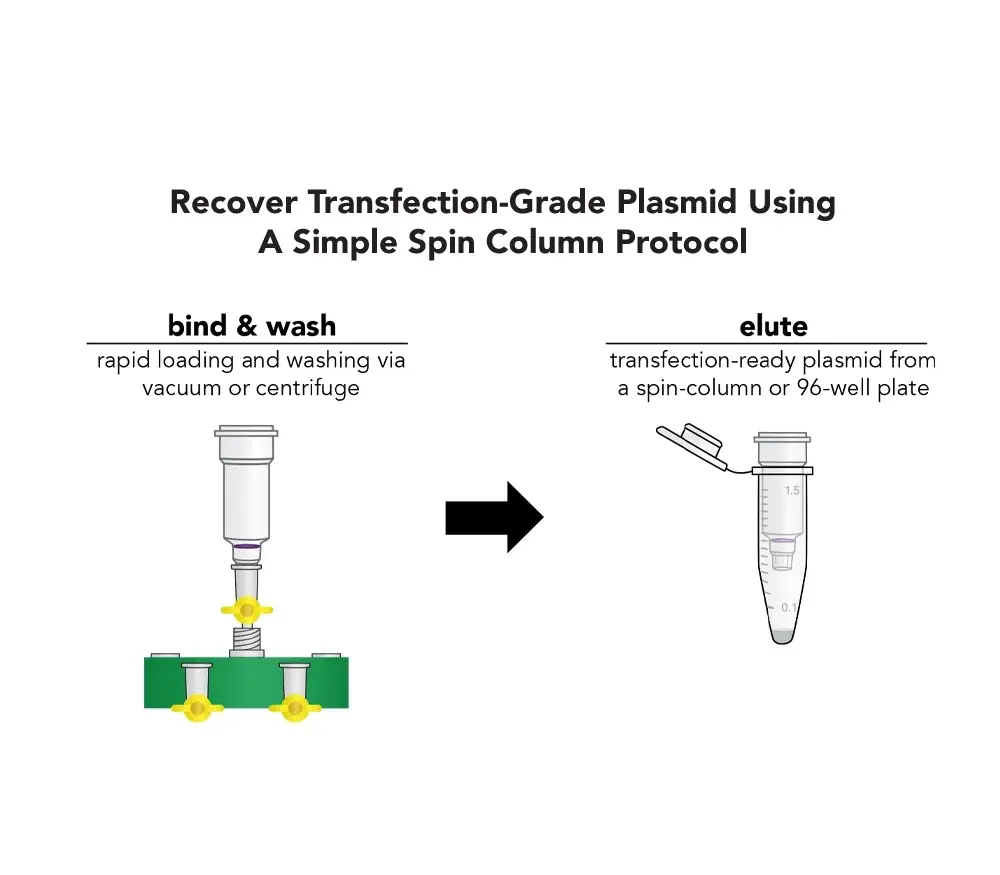
Zymo Research’s ZymoPURE™ II plasmid purification kits are designed to address these challenges. The kits use a silica-based purification system combined with an integrated endotoxin-reducing workflow. This approach supports the removal of impurities that can interfere with biological assays, resulting in plasmid DNA suitable for demanding applications such as transfection, qPCR and NGS.
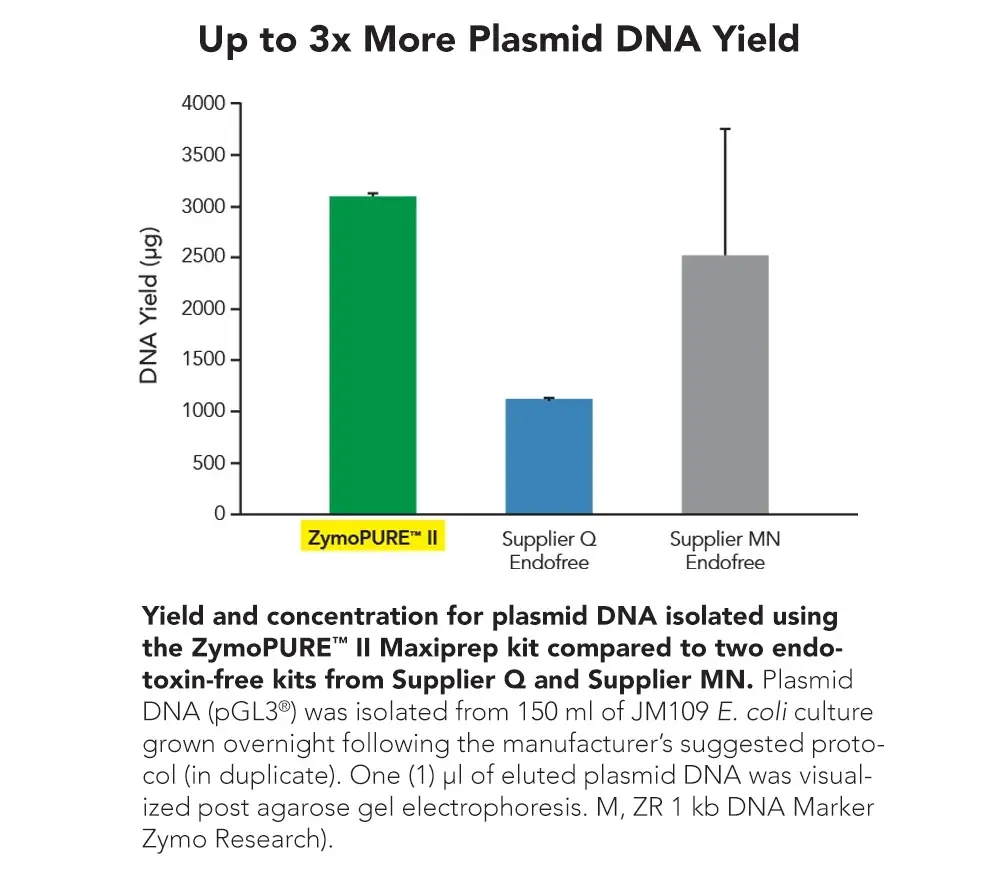 View the ZymoPURE™ II Plasmid Maxiprep kit
A key advantage of the system is its reproducibility. The workflow is designed to produce consistent plasmid purity and performance across users, batches and laboratories, reducing the variability that can arise from manual purification steps or incomplete contaminant removal.
High-quality plasmid DNA provides a stable foundation for downstream processes. When relevant contaminants are effectively removed, expression levels can become more predictable, transfections more uniform and sequencing or qPCR workflows more reliable. This clarity helps researchers draw more confident conclusions from their data and reduces the need for iterative troubleshooting.
Explore the ZymoPURE™ II plasmid purification kits available through Sanbio, request af ree Zymo Research sample or contact our technical specialists for practical guidance on plasmid purification for transfection, qPCR or NGS.