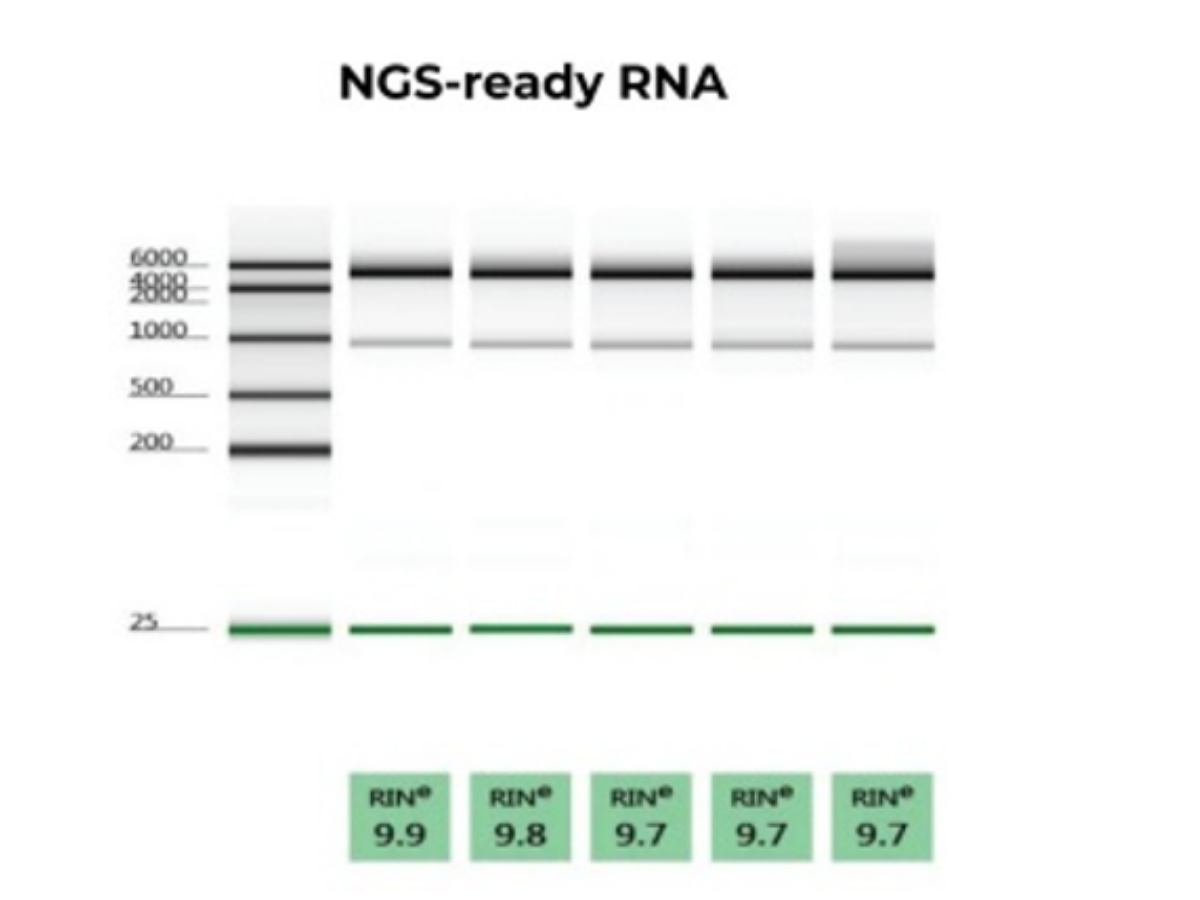
As RNA therapeutics, vaccine development and high-throughput screening workflows continue to expand, RNA purification can quickly become a limiting step. Therapeutic developers, contract research organisations (CROs) and biomarker discovery teams are often asked to process more samples, generate results faster and maintain consistency across larger studies.
That is where the extraction workflow matters. A process that works well for a small number of samples can become difficult to manage at 96-well scale or beyond. More manual handling, more transfers and more staggered runs can all add friction to the wider workflow.
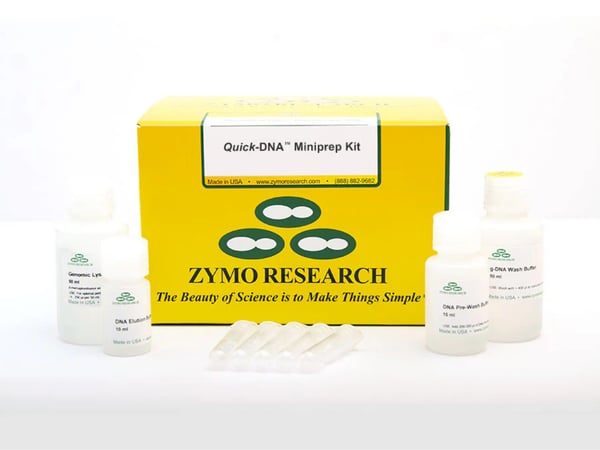
Zymo Research’s Quick-RNA™ 96 Kit is designed to support scalable, plate-based RNA purification with short hands-on time and automation-friendly processing. For laboratories working with larger sample numbers, it offers a practical way to increase throughput while keeping the workflow controlled and familiar.
Why RNA extraction becomes harder to scale
When sample volumes increase, small delays can quickly become larger workflow problems. Traditional extraction methods may work well for 8 or 24 samples, but the same approach can become less practical when moving to 96 or 384 samples.
Common pressure points include:
- Manual column handling: each additional sample adds more handling steps, which can increase labour and introduce variation.
- Batch processing limits: spin column formats or limited instrument capacity can force staggered runs instead of true parallel processing.
- Cumulative spin time: a few minutes per spin may seem manageable, but the time adds up across plates, technicians and workflows.
For teams working under tight timelines, these delays can affect more than the extraction step itself. They may also slow down quality control (QC), RNA sequencing (RNA-seq) library preparation, quantitative polymerase chain reaction (qPCR) workflows or other downstream assays.
A plate-based workflow for higher throughput
The Quick-RNA™ 96 Kit is built for high-throughput RNA purification without adding unnecessary workflow complexity. Its bind-wash-elute chemistry is suitable for:
- vacuum manifolds;
- centrifugation;
- automation-friendly liquid handling.
This format supports parallel processing, allowing laboratories to process full plates more efficiently instead of splitting samples across multiple staggered runs. For teams scaling RNA purification in therapeutic screening, viral RNA analysis or RNA-seq preparation, this can help reduce hands-on time and support more predictable sample movement through the pipeline.
Automation readiness is also important for laboratories that want to increase capacity without completely changing their existing infrastructure. A workflow that can fit into established processes is easier to implement, easier to train and more practical to scale.
Reducing manual touchpoints
As RNA workflows scale, reproducibility becomes increasingly important. Variability in RNA purity or yield can create downstream issues, especially in larger studies where repeated extractions can cost time and resources.
The Quick-RNA™ 96 format helps reduce workflow risks by limiting manual touchpoints such as repeated pipetting steps and plate transfers. Fewer manual interventions can help reduce opportunities for cross-contamination and well-to-well inconsistency.
For laboratories working with high-throughput studies, this is not only about speed. It is also about keeping the workflow consistent enough to support reliable downstream analysis and decision-making.
The downstream value of predictable RNA purification
In RNA-based workflows, faster extraction only adds value when it supports the steps that follow. Predictable RNA purification can help teams move samples into downstream applications more smoothly and with fewer interruptions.
This can support:
- earlier QC, so data becomes available sooner;
- smoother RNA-seq library preparation;
- better use of qPCR and next-generation sequencing (NGS) instruments;
- higher daily sample throughput without adding unnecessary manual workload.
For biopharma, contract research and discovery teams, the practical benefit is clear: more samples can move through the workflow with fewer delays and less pressure on laboratory resources.
Supporting scalable RNA workflows with Sanbio
RNA laboratories need workflows that can scale without compromising consistency or disrupting established processes. Zymo Research’s Quick-RNA™ 96 Kit offers a streamlined, plate-based option for high-throughput RNA purification, with support for automation-friendly processing and reduced hands-on handling.
Sanbio supplies Zymo Research products in the Benelux and supports researchers in selecting the right RNA purification solution for their sample type, workflow and throughput needs.
Would you like to evaluate the Quick-RNA™ 96 Kit in your own workflow? Request a free sample or contact the Sanbio team for product advice.